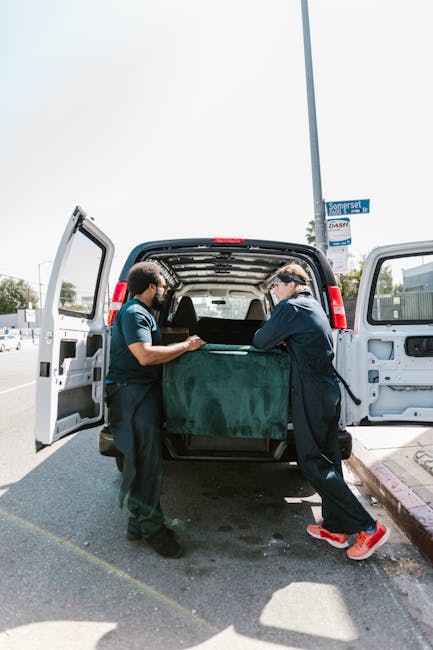
Bulky furniture in Bickley? Safe lifting & removal fixes
Posted on 02/06/2026
Trying to move a chunky wardrobe, a heavy sofa, or a solid oak bed through a Bickley hallway can turn a simple plan into a proper headache. Bulky furniture in Bickley? Safe lifting & removal fixes is really about one thing: getting large items out without injury, without damaging the property, and without that awful moment where the piece is wedged halfway through the stairwell. If you are moving home, clearing a room, or making space for something new, the right method matters just as much as the right pair of hands.
This guide breaks down the practical side of safe lifting, removal planning, and local decision-making. You will find a clear process, common mistakes, realistic options, and a few small but useful tricks that make a big difference on the day. To be fair, bulky furniture rarely fails at the first lift. It usually goes wrong at the doorway, on the stairs, or when someone says, "we'll just tilt it a bit and see."
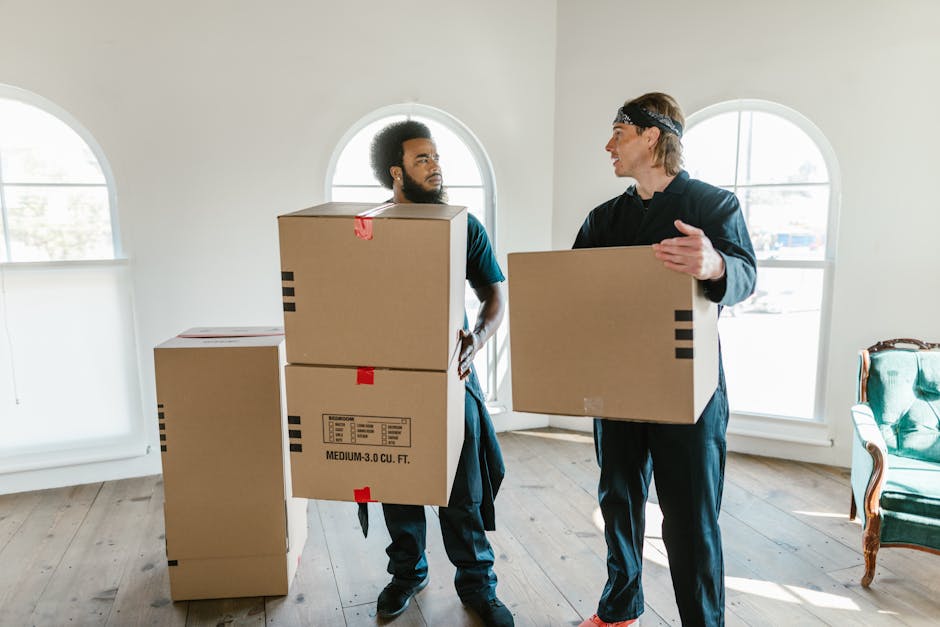
Why bulky furniture handling matters in Bickley
Bickley homes can be lovely, but they are not always forgiving when you are moving furniture. Narrow hallways, tight turns, stair landings, older layouts, and awkward front gardens all make bulky furniture harder to manage. A sofa that looks manageable in a living room can suddenly feel enormous once it reaches a staircase with a sharp bend. That is the reality most people only discover on moving day.
Safe lifting and removal are not just about avoiding back strain. They also protect walls, bannisters, floors, and the furniture itself. Scraped paint, crushed corners, and bent fittings are all common when a move is rushed. If you are dealing with a heavy suite or a large dining table, it helps to think ahead and plan the route, not just the lift.
There is also a timing issue. The later you leave bulky item removal, the more pressure you put on the rest of the move. A stuck wardrobe can delay the van, slow down loading, and turn a calm morning into a frantic one. If you are already juggling boxes, keys, cleaners, and parking, one stubborn piece can throw everything off. The smallest snag, as it turns out, often causes the biggest mess.
For some jobs, a wider moving plan makes sense. If the furniture is part of a full property move, it may be worth reviewing house removals in Bickley or the broader removals Bickley support options so the bulky items are handled as part of the same organised process.
How safe lifting and removal fixes work
Safe bulky furniture removal is a mix of planning, body mechanics, and the right equipment. It is not about brute force. In fact, brute force is usually what gets people into trouble. The sensible approach is to reduce weight where possible, improve grip, simplify the route, and only then move the item.
The process usually starts with a quick assessment. How heavy is the item? Does it come apart? Can the doors, legs, shelves, or cushions be removed first? Will it clear the doorway when turned sideways? Is there a risk of snagging on carpet, skirting boards, light fittings, or the ceiling? These are the questions that matter before the first step, not after.
Good lifting technique is simple in theory, harder in practice when you are tired. Keep the load close to your body, bend at the knees rather than twisting at the waist, and move in small controlled steps. If the item is too big for one person to handle safely, split the job. That might mean using two lifters, a trolley, sliders, or a removal team with experience in awkward access.
For anyone who wants to understand the solo-lift side of things more clearly, there is a useful guide on how to lift heavy objects solo with confidence. It is not a magic trick, but it does help frame safe judgement rather than guesswork.
And if the item is especially delicate, oversized, or valuable, the method changes again. A piano, for example, is its own category entirely; the same is true for a mattress stack, a glass-fronted cabinet, or a large antique sideboard. In those cases, specialist planning matters more than speed.
Key benefits and practical advantages
Handled properly, bulky furniture removal gives you a lot more than a clear room. The immediate benefit is safety, but the ripple effects are just as useful. Things feel calmer. The property stays cleaner. The move tends to stay on schedule. That is the boring answer, but boring is often what you want on moving day.
- Less risk of injury: Proper lifting reduces strain on backs, shoulders, wrists, and knees.
- Lower chance of property damage: Careful routes protect walls, stair rails, doors, and flooring.
- Better furniture preservation: Panels, joints, fabric, and finishes are less likely to split or scuff.
- Faster, smoother moves: A clear plan saves time and reduces decision fatigue.
- Less stress overall: When the bulky stuff is under control, the rest of the job feels manageable.
There is also a practical money angle. Damage repairs, emergency call-outs, and replacement costs can creep up fast if the move is improvised. Good removal planning is often cheaper than fixing a mistake later. Not glamorous, but true.
If you are also trying to reduce the load before moving, a smart pre-move declutter checklist can remove a surprising amount of weight from the day. Fewer items, fewer dilemmas, fewer regrets. That last one matters more than people expect.
Who this is for and when it makes sense
This kind of guidance is useful for several types of move. The obvious one is a home move with large furniture pieces. But it is also relevant if you are rearranging a flat, clearing a rental property, replacing office furniture, or helping a family member downsize. Bulky furniture does not care whether the setting is domestic or commercial; it still needs careful handling.
It makes particular sense if you are working with stairs, tight access, a top-floor flat, or a property where parking is limited. In Bickley, that local awareness matters. Some moves look simple from the pavement and then become awkward once you step inside. A confident plan from the start can save a lot of back-and-forth later.
This is also for anyone who is tempted to do it alone. Let's face it, most of us have tried to "just get it done" with a sofa or wardrobe that really needed two people and a bit of patience. Sometimes that ends fine. Sometimes it ends with a bang against the wall and a very quiet pause. You know the sort.
Students, first-time movers, landlords, and homeowners all benefit from thinking through furniture removal before moving day. If the job is part of a shorter deadline or an urgent change, a same-day removals Bickley option can be the more sensible route, especially when time is tighter than expected.
Step-by-step guidance
A simple process works best. Fancy systems are nice, but on the day you need something clear enough to follow while holding a heavy item and trying not to clip a doorway.
- Measure the furniture and the route. Check width, height, depth, and any handles or protruding parts. Then measure doorways, hallways, stair turns, and lift access if relevant.
- Decide whether the item can be dismantled. Remove legs, shelves, cushions, doors, mirrors, or detachable panels where possible.
- Clear the path. Move shoes, mats, lamps, ornaments, bins, and loose cables. It sounds basic, but this is where accidents happen.
- Protect the surroundings. Use blankets, corner protectors, and floor coverings if needed. A bit of prep saves a lot of regret.
- Choose the lifting method. One person, two people, a trolley, sliders, or a professional team. Pick the safest option, not the bravest one.
- Communicate before you move. Agree who leads, who backs up, and when to stop. Simple instructions beat last-minute shouting every time.
- Lift, pivot, and pause. Use small movements. If the item catches, stop and reset rather than forcing it.
- Load the van securely. Heaviest pieces go first, with straps or padding as needed so nothing shifts during transit.
If the move also involves furniture packaging or partial disassembly, good materials make a difference. A helpful place to start is packing and boxes in Bickley, especially when you need protective wrap, cartons, or storage help for smaller parts and fittings.
Expert tips for better results
There are a few small habits that make bulky furniture moves much easier. None of them are flashy. All of them help.
- Empty drawers and shelves first. Furniture feels less awkward and safer to manoeuvre when the weight is reduced.
- Use a test tilt before committing. A quick angle check can tell you whether a piece will clear the landing or not.
- Keep your hands in a stable grip zone. Avoid grabbing decorative edges, thin panels, or unstable trim.
- Work backwards from the exit. If the item cannot leave the property safely, rethink the route before lifting.
- Allow extra time for stairs. Stair moves always take longer than people think. Always.
- Protect old furniture at stress points. Corners, arms, legs, and feet often need wrapping or padding first.
A small but useful rule: if you need to rotate your torso sharply while carrying a piece, you are probably too close to the point of strain. Reset, lower it, and approach again. That one habit saves a lot of awkward moments.
For items like sofas, protective preparation is especially useful. You may find the advice in sofa preservation and storage methods handy if a large suite needs to be stored before or after the move.
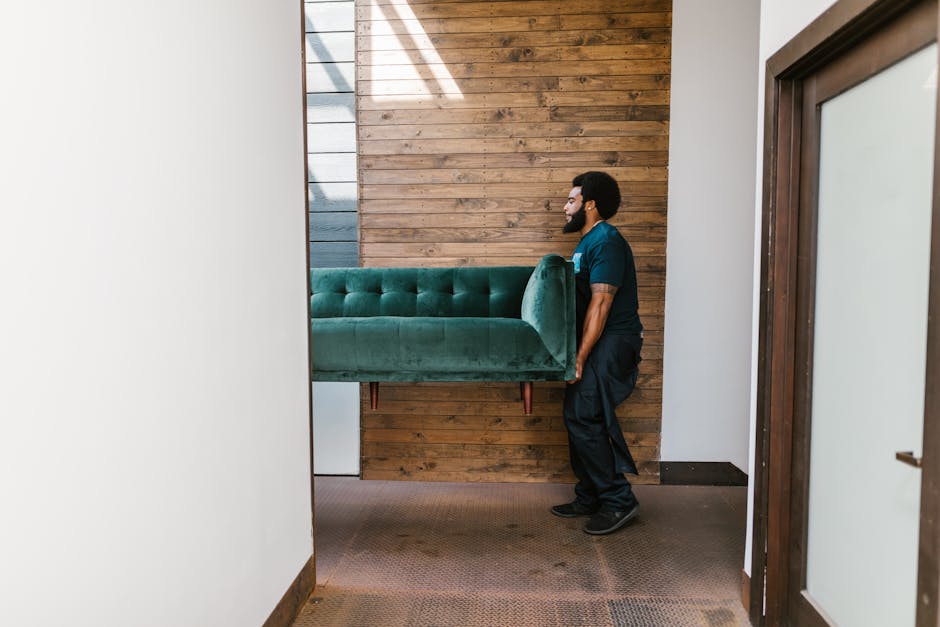
Common mistakes to avoid
Most furniture accidents are not dramatic. They are the result of a few tiny bad decisions stacking up. Here are the ones that come up most often.
- Skipping measurements: Guessing the fit through a doorway is a classic mistake. Guessing is not a strategy.
- Trying to carry too much at once: One awkward item is enough. Adding boxes to the load just makes the balance worse.
- Twisting while lifting: This is a fast way to strain your back. Turn with your feet instead.
- Ignoring floor and wall protection: A small scratch on the way out becomes a memory you keep looking at for months.
- Forgetting to secure loose parts: Drawers, glass shelves, and detachable doors can move at the worst possible moment.
- Not planning the parking space: If the van cannot get near the entrance, everything takes longer and becomes heavier in effect.
Another quiet mistake is emotional, really. People get committed to a plan that stopped being sensible ten minutes earlier. It happens in family moves all the time. Someone says, "we're fine," while the wardrobe is clearly one corner away from disaster. Better to pause and change the approach than push on blindly.
Tools, resources and recommendations
You do not need a warehouse full of kit, but a few tools make bulky furniture work safer and more efficient. The exact mix depends on the size of the item and the access at the property.
| Tool or resource | Best use | Why it helps |
|---|---|---|
| Furniture blankets | Protecting wood, upholstery, and corners | Reduces scuffs and impact damage |
| Removal straps | Two-person lifting and controlled carrying | Improves balance and grip |
| Furniture sliders | Moving items across hard floors or carpet | Less friction, less strain |
| Dolly or sack truck | Heavier items and longer internal moves | Takes load off the body |
| Protective wrap | Drawers, doors, soft edges, and loose fittings | Stops parts shifting in transit |
| Parking and route plan | Any move with limited access | Saves time and reduces stress |
For broader moving support, the right service mix matters too. You can review services overview to see how different move types are structured, or check removal services in Bickley if you want a more rounded solution rather than a one-off lift.
If the move includes a van, choose one that fits the job properly. A well-matched removal van in Bickley gives you more control over loading, padding, and safe transport. That sounds obvious, but it makes a bigger difference than many people expect.
Law, compliance, standards, or best practice
For most household moves, the practical focus is on safety and care rather than legal complexity. Still, there are a few UK best-practice points worth keeping in mind. Anyone lifting heavy items should do so in a way that avoids unnecessary strain and reduces the risk of accidents. In workplace settings, manual handling duties are taken seriously, and even at home the same common-sense principles apply: assess the load, reduce the risk, and avoid unsafe solo lifts.
If you are hiring help, it is sensible to look for clear insurance information, a transparent process, and a provider that explains how they handle access, damage prevention, and complaints. That does not mean every move needs paperwork piled to the ceiling. It means you should know who is responsible for what, and what happens if something unexpected comes up.
It is also worth checking how data, payment, and terms are handled if you book a removal service online. For peace of mind, a business should make its policies easy to find. If you want to review those details, pages such as insurance and safety, payment and security, and terms and conditions are the sort of support pages that help set expectations in a sensible way.
Best practice also includes environmental care. Reusing packaging, donating unwanted items, and choosing responsible disposal where possible is simply better practice now. If you are clearing out as well as moving, the recycling and sustainability approach is worth considering. Less waste, less clutter, less to think about later.
Options, methods, or comparison table
There is no single correct way to move bulky furniture. The right method depends on access, item weight, time pressure, and your own confidence level. This quick comparison helps you choose without overthinking it.
| Method | Best for | Pros | Trade-offs |
|---|---|---|---|
| DIY with two people | Smaller bulky pieces and straightforward access | Lower cost, flexible timing | Higher injury and damage risk if the route is awkward |
| DIY with equipment | Heavy but movable furniture on clear floors | Better control, less strain | Needs planning and the right kit |
| Professional removal help | Large, fragile, or hard-to-access items | Efficient, safer, less stressful | Costs more than doing it yourself |
| Short-term storage first | Moves with timing gaps or renovation work | Reduces pressure on moving day | Requires an extra stage to organise |
If you are moving several items at once, it can help to compare broader support choices. For example, man and van Bickley suits lighter or mixed loads, while man with a van in Bickley is often a practical choice for smaller, faster jobs. If the load is bigger and more complex, a full furniture removals Bickley service can save a lot of faff.
Case study or real-world example
Picture a typical Bickley move: a family needs to get a large corner sofa, a heavy oak dresser, and a double bed out of a first-floor home with a narrow stairwell and a tight turn at the top. The sofa looks fine in the lounge, but once it reaches the stairs, the arms make the gap too narrow for a straight carry.
Instead of forcing it, the team pauses, removes the feet, turns the sofa on its side with padding on contact points, and clears a bedside table that had been left near the landing. They also check the front path, because the door opens into a small porch that would have clipped the load on exit. That tiny bit of extra thinking prevents a scratch on the paint and saves ten minutes of awkward repositioning.
The dresser is handled next. Drawers come out, mirror is wrapped separately, and the piece is carried with a second person supporting the weight from the lower end. The bed frame is dismantled before loading, which makes the van space much easier to use. Nothing exotic. Just careful, patient work.
By the end of it, the move feels controlled rather than frantic. There is still effort involved, obviously. But the stress level stays manageable. That is usually the goal, after all.
If your move has timing pressure or needs an efficient local route, the following local guides may also help: best routes for moves in Bickley BR1, navigating narrow roads and stairs in Bickley Park, and local timing tips for Sundridge Park to Bickley moves. Small route wins add up fast.
Practical checklist
Use this checklist before you try to move any bulky item. It is simple, but that is exactly the point.
- Measure the item and every tight point on the route.
- Clear the hallway, stairs, porch, and exit path.
- Remove drawers, shelves, legs, cushions, and loose parts.
- Protect walls, floors, and corners with suitable padding.
- Decide whether one person, two people, or a team is needed.
- Check if the item should be wrapped or dismantled first.
- Make sure parking and van access are sorted in advance.
- Keep gloves, straps, blankets, and tape nearby.
- Lift with a stable stance and no twisting.
- Pause immediately if the item slips, catches, or feels unstable.
- Load the van securely and stop items from sliding.
- Plan where the furniture is going at the new property before arrival.
Expert summary: The safest bulky furniture move is rarely the strongest one. It is the one that is measured, slowed down at the right moments, and matched to the access you actually have, not the access you hoped for.
And if you need help organising the rest of the move around the furniture, a solid packing checklist for moving house can stop the whole day from getting messy. A calm move is usually a prepared move.
Conclusion
Bulky furniture in Bickley does not have to become a stressful, back-straining ordeal. With the right measurements, a sensible route, a bit of dismantling where possible, and proper lifting technique, you can reduce risk and keep the move under control. Most problems are avoidable. That is the good news.
When the item is especially large, awkward, or time-sensitive, professional help is often the easier and safer call. It is not overreacting. It is making the sensible choice before the stress starts. And in a place like Bickley, where access can be tight and the details matter, that kind of judgement pays off quickly.
Get a free quote today and see how much you can save.
One small thoughtful move now can spare you a much bigger headache later, and honestly, that is worth a lot.