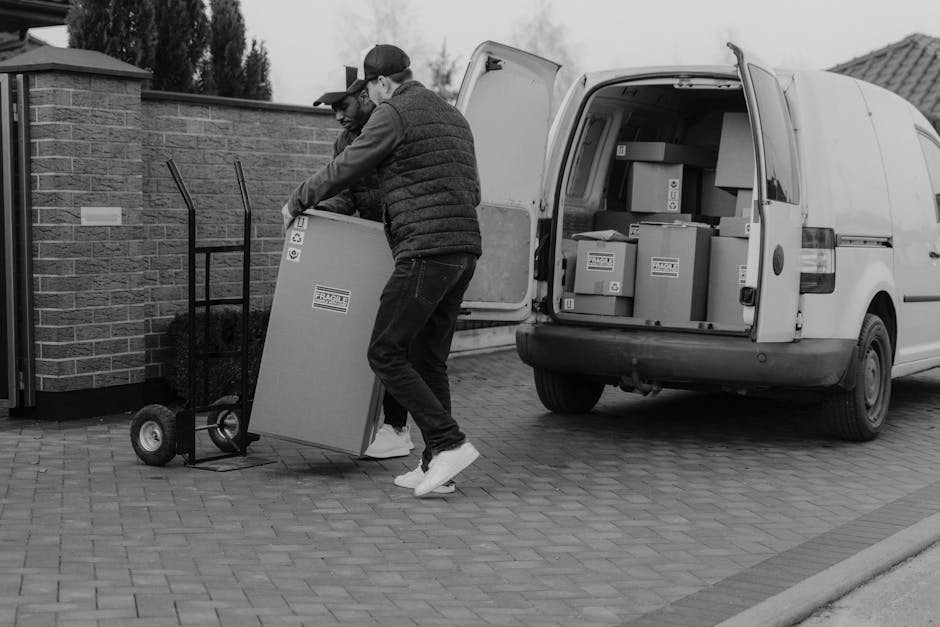
Moving out of flats on Widmore Road Bickley man with van guide
Flat moves can look simple on paper, and then suddenly the reality shows up: narrow stairwells, awkward parking, a lift that is a bit too small, the neighbour who is also moving, and a sofa that seemed perfectly sensible in the shop but now feels like a bad life choice. If you are moving out of flats on Widmore Road in Bickley, a well-planned man with van service can make the whole process feel far more manageable.
This guide walks you through the practical side of a flat move in plain English. We will look at how the move usually works, what to check before booking, what to expect on the day, and how to avoid the kind of problems that turn a straightforward move into a long, noisy, stressful afternoon. Truth be told, that little bit of preparation saves more time than most people expect.
For readers comparing options, it can also help to understand how a local man with van arrangement differs from broader removal services or even a bigger removals job. The best choice depends on access, volume, timing, and how much help you want with lifting and loading.
Table of Contents
- Why moving out of flats on Widmore Road Bickley matters
- How the process works
- Key benefits and practical advantages
- Who this is for and when it makes sense
- Step-by-step guidance
- Expert tips for better results
- Common mistakes to avoid
- Tools, resources and recommendations
- Law, compliance, standards, or best practice
- Options and comparison table
- Case study or real-world example
- Practical checklist
- Conclusion
- Frequently asked questions
Why Moving out of flats on Widmore Road Bickley man with van guide Matters
Flat moves are different from house moves in a few important ways. The property itself may be smaller, but the logistics can be trickier. Shared entrances, communal hallways, limited parking, key fob access, and tight turning space all shape the move more than people realise.
On a road like Widmore Road in Bickley, the main challenge is usually not distance. It is access. If the vehicle cannot stop close enough to the entrance, or if there is a long carry from the van to the flat, the move takes longer and becomes more physically demanding. A good local mover will think about that from the start, not halfway through when everyone is already sweaty and a little bit frustrated.
This matters because a well-organised move protects your belongings, keeps the move day calm, and reduces disruption to neighbours and building management. It also helps you choose the right size of vehicle and the right level of service. In some cases, a compact moving van is ideal. In others, a team that offers man and van removals is a better fit because you need both transport and loading support.
Key takeaway: flat moves are won or lost on access, timing, and packing. Get those three right and the rest becomes much easier.
How Moving out of flats on Widmore Road Bickley man with van guide Works
A typical flat move starts with an assessment of what needs moving, where the flat is located, and how the vehicle will access the property. For a good mover, that means asking about stairs, lifts, parking restrictions, and whether there are bulky items like wardrobes, beds, or a piano stool that may need special handling. Not glamorous, but very necessary.
The booking process usually looks something like this:
- You describe the move, including the number of rooms and any heavy or fragile items.
- The mover works out the right vehicle size and number of helpers.
- A time slot is arranged to suit access and building rules.
- Items are packed, carried, loaded, and secured in the van.
- Delivery is completed at the new address, with unloading into the correct rooms where agreed.
For smaller flat moves, many people prefer a flexible man with a van setup because it can be more cost-effective than booking a large vehicle you do not actually need. For slightly bigger or more complex moves, a more structured man with van removal approach can give you a bit more reassurance and fewer last-minute surprises.
Here is the part people often underestimate: packing and access are part of the service outcome, even if they are not the headline service. If your boxes are not labelled and your hallway is blocked, the move slows down. If parking is sorted and the lift is booked, everything flows better. Simple, really. Still overlooked all the time.
Key Benefits and Practical Advantages
Using a local man with van service for a flat move in Bickley brings a few clear benefits.
- Better access planning: smaller vehicles are often easier to position near flats than larger lorries.
- Flexible loading: ideal when you are moving fewer items or a one-bedroom flat.
- More personal service: you usually deal with the same mover from quote to delivery.
- Faster local turnaround: local moves can often be completed in a shorter time window.
- Less waste: smaller-scale moves often mean fewer journeys and less unnecessary vehicle space.
There is also a practical money angle. If your move does not require a full-size truck, paying for one may simply be overkill. A right-sized vehicle and efficient loading can keep costs sensible without cutting corners on care. That balance matters more than people think. You are not trying to build a moving empire here; you just want your things to arrive safely.
It is also helpful if the provider offers broader support such as packing and unpacking services or can connect the job to other options like home moves if the flat move is part of a larger relocation. That flexibility makes the process feel less fragmented.
Who This Is For and When It Makes Sense
This guide is for anyone moving out of a flat on Widmore Road in Bickley and trying to keep the process tidy, local, and stress-light. It is especially useful if you:
- are moving from a studio, one-bed, or two-bed flat;
- have a staircase, lift, or awkward entrance to deal with;
- need same-day transport and loading help;
- have furniture that needs dismantling or careful carrying;
- are trying to avoid paying for a larger removal company than you need.
It also makes sense if your move is part of a bigger life change. Maybe you are starting a new job, moving in with a partner, downsizing, or leaving a flat after a short tenancy. In those moments, you want a move that is quick, calm, and predictable. Not a drama. Definitely not a drama.
If you are moving office items from a flat, studio, or live-work space, you may even find that a service normally associated with commercial moves is relevant if you have equipment or stock that needs careful handling. The point is to match the service to the job, not the other way around.
Step-by-Step Guidance
Here is a practical way to organise your move without overcomplicating it.
1. Measure the awkward items first
Measure beds, wardrobes, sofas, desks, and appliances before moving day. Don't guess. A tape measure is cheap, and a wall that refuses to bend is not. If it looks tight in the hallway, it probably is.
2. Check access at both addresses
Confirm parking, entry codes, lift access, and whether there are any restrictions for larger vehicles. If the van has to park further away, allow for extra time. This is one of the biggest reasons flat moves run late.
3. Sort packing by priority
Pack essentials separately so you are not hunting for chargers, kettle cables, or documents when you arrive. Label boxes by room and by content. A little bit of organisation here saves a lot of muttering later.
4. Dismantle bulky furniture where needed
Some pieces move more safely when partially dismantled. If you are not sure, ask the mover whether they can help. Many flat moves go smoother when flat-pack furniture is broken down before the vehicle arrives.
5. Protect shared spaces
Communal hallways and stairwells can be easily marked by scrapes, dirty shoes, or heavy corners. Use blankets, covers, or careful lifting. A considerate mover will treat the building with respect. That matters to neighbours and to you.
6. Load in the right order
Heavy and sturdy items go in first, fragile items after, and everyday essentials where they can be reached quickly at the destination. Good loading is a skill. It looks easy until you try fitting a mattress, a chest of drawers, and a box of books into the same space.
7. Do a final flat check
Before leaving, walk through each room, cupboard, and windowsill. People always forget something small. A remote control, keys, a wall hook, the last mug by the sink. Always one more thing.
Expert Tips for Better Results
A few small adjustments can make a big difference on moving day.
- Book the move early in the day if access or parking is unpredictable. Morning slots are often calmer.
- Keep a "do not pack" pile for valuables, passports, medication, chargers, and important documents.
- Use smaller boxes for books so they are easier and safer to carry.
- Take photos of cable setups before unplugging electronics. Future you will be grateful.
- Let the mover know about stairs in advance, even if you think they are obvious. What is obvious to you is not always obvious from a booking note.
- Ask about insurance and safety processes so you know how items are handled during transit.
If you want an example of a sensible next step, review a provider's insurance and safety information before confirming the booking. For many people, that one check gives welcome peace of mind, especially when moving furniture through shared access areas.
A small human tip: keep water handy. Flat moves have a habit of turning into a strange kind of workout, and by mid-afternoon even a short carry between buildings can feel longer than it should. Nothing fancy. Just a bottle of water and a bit of patience.
Common Mistakes to Avoid
Most moving mistakes are not dramatic. They are just small oversights that stack up.
- Booking a vehicle that is too large or too small. Too large and you may waste money or struggle with access. Too small and you need extra trips.
- Not checking parking restrictions. This can derail timing fast.
- Leaving packing until the last night. That is how label-free chaos begins.
- Forgetting about building rules. Some flats need lift bookings, moving time windows, or notice to management.
- Underestimating fragile items. Mirrors, glass tables, and electronics need proper care.
- Ignoring disassembly. If a wardrobe can come apart, there is a good chance it should.
Another common mistake is treating the move like a standard van hire exercise rather than a service that includes people, planning, and access. A good removal company mindset is useful here, even if the job itself is small. The difference is in the thinking: route, load order, timing, and protection all matter.
And yes, one more: forgetting to check what needs to be loaded last at the old flat and first at the new one. That little decision can save twenty minutes of standing around in the doorway. Easy win, if you plan it.
Tools, Resources and Recommendations
You do not need a huge toolkit for a flat move, but a few items help a lot.
- strong packing tape;
- marker pen for labelling;
- bubble wrap or paper for fragile items;
- blankets or furniture covers;
- basic screwdriver or hex key set;
- box cutter or scissors;
- sticky notes for room labels;
- bin bags for last-minute loose bits.
For larger or more awkward moves, it may be worth combining the van with a broader support service. For example, if you have more furniture than expected, a provider that handles house removals or house movers may still be suitable, especially where the flat contains a full household rather than a minimal setup.
If you are trying to keep the move tidy and less stressful, a simple room-by-room packing plan is better than piling everything into whatever box is nearest. A few sticky labels and a pen. That's often enough.
Law, Compliance, Standards, or Best Practice
Flat moves in the UK are usually governed less by one single law and more by a mix of building rules, road access considerations, and general duty of care. You should always respect local parking restrictions, loading limits, and any instructions from building management or landlords. If a lift is booked for a certain time, treat that as a real appointment, not a vague suggestion.
From a best-practice point of view, a reputable mover should take reasonable steps to protect items, avoid damage to communal areas, and transport goods securely. That is where careful loading, sensible padding, and clear communication matter. Insurance is also worth checking, because no one enjoys discussing a scratched table leg at the end of a tiring day.
It is wise to review the provider's terms and conditions before booking. That helps you understand what is included, what is not, and what to do if timing changes. If payment security matters to you, the site's payment and security details are also worth a look.
For environmentally aware moves, some customers like to ask about disposal or reuse of unwanted items. If that is part of your plan, a provider with a clear recycling and sustainability approach may be helpful. Best practice here is simple: move what you need, reuse what you can, and dispose of the rest responsibly.
Options, Methods, or Comparison Table
Choosing the right move style depends on the size of your flat and the amount of lifting involved. Here is a simple comparison.
| Option | Best for | Strengths | Limitations |
|---|---|---|---|
| Self-move with rented vehicle | Very small loads and confident lifters | Lowest apparent cost, full control | You do all lifting, planning, and handling |
| Man with van | Studios, one-beds, partial flat moves | Flexible, practical, local, usually quicker to arrange | May not suit very large or complex loads |
| Removal services | Heavier or more involved flat moves | More support, more structured approach | Usually more expensive than basic van hire |
| Full removals team | Large flat contents or difficult access | Best for heavier workloads and time pressure | Can be more than you need for a small flat |
If your flat move sits between two categories, that is normal. Many moves do. A van on its own may be enough, or you may need the added hands of movers to make the day easier. The decision usually comes down to furniture volume, stairs, and how much help you want with loading.
Case Study or Real-World Example
A common real-world scenario goes like this: someone is moving from a second-floor flat on Widmore Road into a nearby rental property. They have a bed, sofa, desk, six medium boxes, a mirror, and a few kitchen items. Nothing enormous, but enough to be awkward if handled badly.
They book a local man and van service after checking that parking near the flat will be possible for a short loading window. The mover arrives with blankets, straps, and a plan for the stairwell. The bed is dismantled first, the mirror is wrapped separately, and the boxes are stacked by room so unloading is quick. The whole move is finished in one trip.
What made it work? Three things. First, the customer packed early and labelled boxes. Second, the mover knew access was tight and planned around it. Third, the load was handled in an order that made sense instead of being thrown in randomly. That might sound obvious. It is. But people still skip it, and then wonder why a "small" flat move takes all day.
That same approach applies whether you are moving a few items, a full flat, or a small home office setup. If you want the move to feel calmer, think in terms of sequence, not just transport.
Practical Checklist
Use this checklist the day before and morning of the move.
- Confirm the booking time and access details.
- Check parking space or loading point at both addresses.
- Set aside keys, documents, chargers, and essentials.
- Label all boxes clearly by room.
- Wrap fragile items separately.
- Dismantle bulky furniture where needed.
- Defrost and clean any appliances being moved.
- Keep hallways and entrances as clear as possible.
- Take meter readings if relevant.
- Do a final sweep of cupboards, shelves, and drawers.
- Keep phone charged and easy to reach.
- Leave a little room for delays. It happens.
If you are comparing providers, you can also look at pricing and quotes to understand how the move may be priced and what information will be needed. A clear quote is usually a good sign. Vague answers tend not to get better on moving day.
Get a free quote today and see how much you can save.
Conclusion
Moving out of a flat on Widmore Road in Bickley does not have to be complicated. Once you account for stairs, parking, building access, and packing, the job becomes much more manageable. A well-matched man with van service can give you exactly the right amount of help without overdoing it.
The real trick is to plan the move around the property, not just the boxes. Measure the awkward pieces. Check the access. Label clearly. Keep the essentials to hand. Do those things and the day feels noticeably smoother.
And if you are still unsure what level of support you need, that is perfectly normal. Flat moves are often more nuanced than they first appear. The good news? A thoughtful, local approach usually makes all the difference, and that little bit of calm at the end of moving day is worth a lot.
Frequently Asked Questions
What is the best way to move out of a flat on Widmore Road in Bickley?
The best approach is to check access first, measure large items, pack early, and book a vehicle that suits the size of your load. For many flat moves, a man with van service is the most practical option because it balances flexibility with support.
Do I need a full removal company for a flat move?
Not always. If your flat contents are modest and access is straightforward, a smaller moving van or man with van service may be enough. If you have a lot of furniture, multiple heavy items, or difficult access, fuller removal services may be better.
How do I know what van size I need?
Think about the number of rooms, bulky furniture, and how much of the flat is actually moving. A studio or one-bed often suits a smaller van, while a larger flat may need a bigger vehicle or a more structured removals service.
Should I pack everything myself before the mover arrives?
It helps a lot if boxes are packed and labelled beforehand. Some services offer packing and unpacking services, which can save time if you are short on energy or moving under pressure.
What should I do about parking on moving day?
Check in advance whether a van can stop close to the building and whether there are any local restrictions. Parking is often the main factor that affects timing on flat moves, so it is worth sorting early.
Can a man with van service handle stairs?
Yes, many can, but you should tell them about stairs before the booking is confirmed. Stairs affect time, effort, and the number of helpers needed, so it is better to be upfront.
Is it worth booking early in the morning?
Usually, yes. Morning moves often have better parking conditions and fewer delays from the day's traffic. It also gives you more time to settle into the new place without feeling rushed.
How can I protect fragile items during a flat move?
Use proper wrapping, smaller boxes, and clear labels. Mirrors, glass, and electronics should be packed separately where possible. Good loading matters too, because fragile items should not be buried under heavier furniture.
What if my flat move includes unwanted furniture?
You can separate items for disposal or reuse before the move starts. If the provider supports recycling or collection work, that may fit alongside furniture pick-up or sustainability-focused handling.
Are there any rules I should check before moving out of a flat?
Yes. Check building rules, lift bookings, access times, and parking restrictions. Also review any mover terms and conditions so you understand timing, responsibility, and what is included in the job.
What is the main mistake people make with flat moves?
Underestimating access. People often focus on the van and forget the hallway, stairs, lift, and parking. In practice, those details decide whether the move is smooth or messy.
How do I choose between a man with van and a larger removals service?
If the load is light to medium and access is straightforward, a man with van option is often enough. If you have more furniture, need extra loading support, or want a more complete service, wider removals may suit you better.
If you want a move that feels steady, practical, and less rushed, start with the access details and work from there. Small choices made early usually save the biggest headaches later. And that, honestly, is half the battle.